PRAB > News & Knowledge >

Vertical Axis Crushers

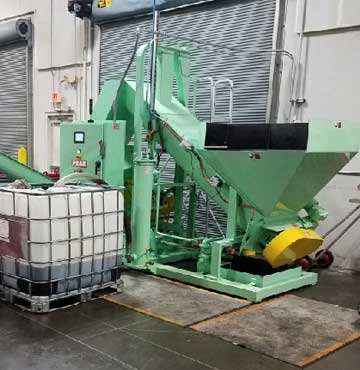
Inside PRAB’s Crusher/Wringer System: Maximizing Coolant Recovery and Scrap Value

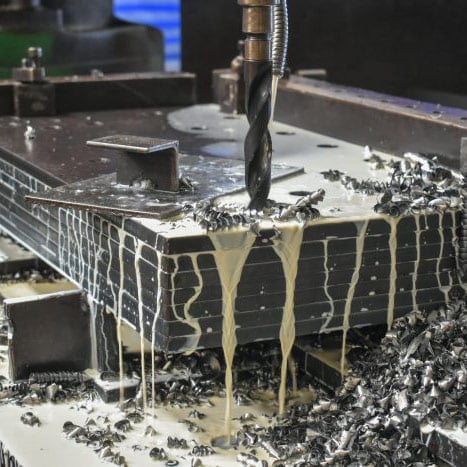
Why Managing Wet Metal Chips Is a Challenge In high-volume machining operations, metal turnings and bushy chips quickly accumulate in hoppers and bins. These materials are not only bulky and difficult to handle, but also saturated with valuable coolant or cutting oil—up to 20% by weight. Hauling away wet chips means paying to dispose of reusable coolant, increasing transportation costs, […]

How to Prevent Chip Nests from Clogging Metal Scrap Conveyors

Reduce Conveyor Downtime by Following PRAB’s Recommendations In metalworking and machining operations, chip nests (Bushy bundles)—long, stringy turnings that knot together—are among the most common causes of conveyor downtime. These tangled masses can bridge in chutes, wrap around shafts, and ride the return run, leading to stoppages, safety hazards, and costly maintenance. This guide explains how to prevent chip nests […]

The Smart Metal Scrap Solution – Vertical Axis Crushers

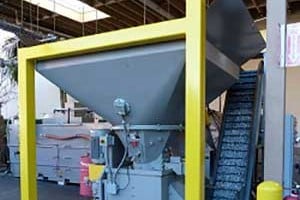
Vertical Axis Crushers: The Smart Solution for Handling Metal Scrap Metalworking facilities generate significant volumes of scrap, particularly long turnings and bulky chips. Efficiently managing this metal scrap can quickly become costly and hazardous if left unaddressed. Vertical Axis Crushers (VACs) from PRAB provide an innovative solution that drastically reduces scrap volume, streamlines recycling, and enhances workplace safety. This blog […]

Updating Back-End Waste Stream Equipment? Here’s What You Need to Know – Practical Machinist

Note: This article was originally published Jan. 24, 2024, on practicalmachinist.com. Metalworking companies that are thinking about updating their metal scrap processing equipment have a lot to consider — especially with how frequently production takes priority over waste management. With that in mind, here are answers to three frequently asked questions that can help these operations identify solutions that […]

White Paper: 8 Problem Areas Affecting Metalworking Operation Profitability

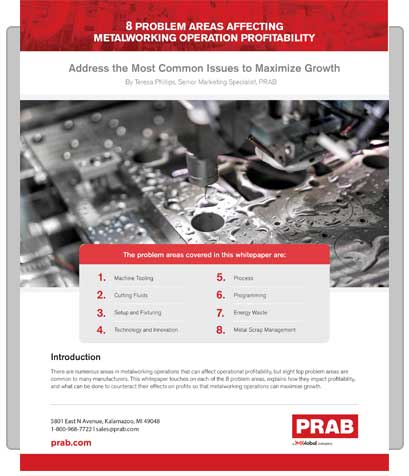
button.submit_btn_form { min-width: 200px; background-color: #d01d24; min-height: 50px; color: #FFFFFF; border-radius: 10px; } Download     Address the Most Common Issues to Maximize GrowthBy Teresa Phillips, Senior Marketing Specialist, PRAB     A Practical Guide to Improving Throughput, Reducing Waste, and Increasing Margin Introduction Most metalworking facilities focus on machine uptime and labor efficiency, but profitability is often lost in […]

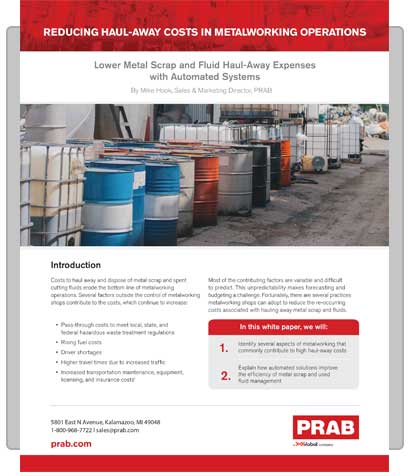
White Paper: Reducing Haul-Away Costs in Metalworking Operations

Lower Metal Scrap and Fluid Haul-Away Expenses with Automated SystemsBy Mike Hook, Sales & Marketing Director, PRAB Introduction Costs to haul away and dispose of metal scrap and spent cutting fluids erode the bottom line of metalworking operations. Several factors outside the control of metalworking shops contribute to the costs, which continue to increase: […]

Blog: Achieving Quantifiable Results Through Sustainable Manufacturing

After World War II, the United States underwent a rapid transformation from an agricultural to an industrial society, marking the beginning of the modern environmental movement. In the first 25 years of this movement, the US has spent more than $1 trillion addressing environmental threats caused by commercial activities. Since that time, being environmentally responsible has been an ever-growing […]

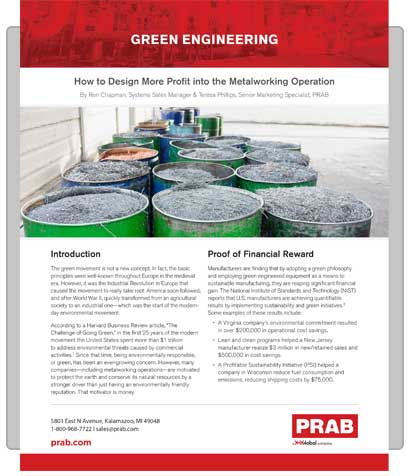
White Paper: Green Engineering

Green Engineering How to Design More Profit into the Metalworking Operation By Ron Chapman, Systems Sales Manager & Teresa Phillips, Senior Marketing Specialist, PRAB   Introduction The green movement is not a new concept. In fact, the basic principles were well-known throughout Europe in the medieval era. However, it was the Industrial Revolution in Europe that […]

White Paper: Implementing Smart Equipment In The Metalworking Industry

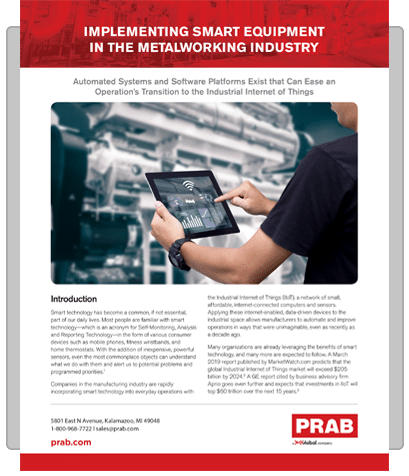
.column { float: left; width: 33.33%; padding: 20px; }           Automated Systems and Software Platforms Exist that Can Ease an Operation’s Transition to the Industrial Internet of Things       Introduction Smart technology has become a common, if not essential, part of our daily lives. Most people are familiar with smart technology—which is […]