Blog |

Back-End Solutions That Move Profit Margins in a Positive Direction

Metalworking operations are often faced with unavoidable costs that are beyond their control. Two of the largest this year have been tariffs, and the cost of cutting fluids. Fortunately, there are many back-end solutions to help offset these costs that will add more value to metal scrap and spend fluids, and move profit margins in a positive direction. Machine […]
3 Automated Metalworking Equipment Solutions Can Help You With the Skilled Worker Shortage

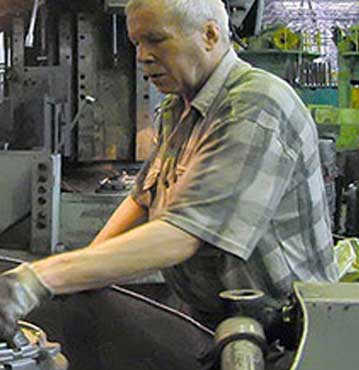
Thanks to a strong economy and a healthy construction market, metalworking operations aren’t struggling to find work these days. Unfortunately, the dwindling number of highly skilled workers with deep industry knowledge poses a more severe problem that must be dealt with to ensure that productivity keeps pace with demand. According to industrial supply company Grainger, 59% of metalworking firms […]

Avoiding Accidents & Injuries in the Metalworking Operation

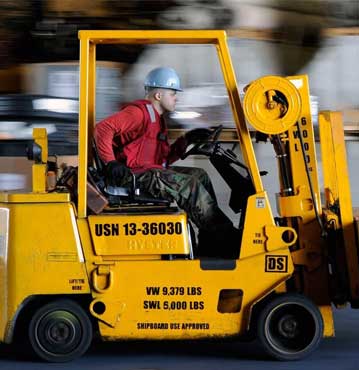
If there is more good news to be shared about the current state of the U.S. workplace, it’s that the rate of accidents and injuries are on a healthy downward trend. However, the costs associated with these workplace injuries continue to rise, providing businesses with more financial headaches than relief. It’s not hard to see how economically devastating workplace […]

Considerations for Conveyor Selection

When considering adding a new or additional conveyor system to your metalworking operation, it’s essential to understand the critical factors involved in the research and selection process. Each type of metal scrap and shop process has unique requirements, making it crucial to prioritize the most vital aspects of a conveyor system tailored to your needs. Critical Goals for Conveyor […]

Spinning Vs Briquetting For Maximum Scrap Value

A frequent question shops ask is whether they should spin their chips to send to a recycler, or if they should briquette. They ask questions like: How can we consolidate our chips to get the highest resale value? Would we maximize the value of our scrap by briquetting? Or is spinning the chips the best option? Assessing the Situation […]

Reduce Rinse Water Use

Most of the hazardous waste in surface finishing comes from wastewater that is generated by rinse water. Due to the substantial amount of this waste, within this $155 billion dollar industry, companies are taking quick action to mitigate the environmental risk associated with dumping, and consumption. One of the major steps is though pollution prevention planning and water conservation. […]

Eliminate Bacteria in Coolant

Metalworking fluid is a blend of many chemicals that’s main job is to help oil emulsify into water. Many years ago, this fluid contained carcinogens, until 1970 when it was outlawed from both sale and dumping down the drain. Without the carcinogens, metalworking fluid is not resistant to bacteria growth and in the right conditions, in a short amount […]

Conveyors for E-Scrap?

Electronic waste, or e-scrap is the fastest growing segment of the world’s solid waste stream, predicted to continue to have significant growth in the next five years and beyond. It is also one of the most difficult to dispose of and recover. Recycling methods used for electronic scrap vary, because the components often contain hazardous materials that may include: […]

The Benefits of Coolant RecyclingOutweigh the Up-Front Costs

If you need a more effective and profitable way to reclaim your metalworking fluid, a modern coolant recycling equipment is the proven answer. Implementing the right fluid reclamation system provides fast ROI and enhances profits, equipment lifespan and employee safety. Costs of Not Filtering Machine Tool Coolant While water comprises most of the coolant, it’s the concentrate in it that […]

Ultrafiltration and Precipitation

Electroplating, electroless nickel plating, metal-forming operations, battery recycling and other such operations all generate wastewater containing soluble heavy metal ions. Ultrafiltration and precipitation are the most effective methods for removing these metal ions. Both help manufacturers avoid the costly consequences of non-treatment, that can include corrosion to systems, toxic pollutants passed into surface waters, sludge disposal, and more. Finding […]