Question: What is “Circularity” in metalworking?
Answer: Circularity in metalworking refers to the practice of designing and manufacturing products that recover, reuse, and recycle materials in a closed-loop system, thus reducing waste and environmental impact.
The traditional “take‑make‑waste” model is under increasing pressure. A circular economy—or “Circularity”—refers to designing systems that keep materials in use, regenerate ecosystems, and eliminate waste and emissions, thus shifting from extraction to regeneration (ResearchGate).
In heavy industries such as machining, stamping, die casting, and foundries, the production of abundant by-products (metal chips, coolant, wastewater, and scrap) presents both a responsibility and an opportunity. Rather than discarding leftovers, circularity pushes us to capture hidden value (Airbus Circularity).
Studies show that embracing circularity can reduce emissions by nearly 40% across various sectors, including aluminum and steel (Wikipedia). Raw materials like cobalt, nickel, tungsten, and lithium are scarce and energy-intensive. Recovering and reusing them helps preserve the environment and significantly reduces costs.
Major European steel producers, such as CELSA, report that 97% of their final steel products are derived from recycled feedstock, which significantly reduces CO₂ emissions and water usage (CELSA Group).
Circularity isn’t just recycling—it’s about redesign, prolonging product life, and enabling remanufacturing. A recent study highlights the critical role of traceability, digital monitoring, and collaboration between OEMs, SMEs, and remanufacturers (ResearchGate). Innovations like metal additive manufacturing further support circular strategies (SpringerLink).
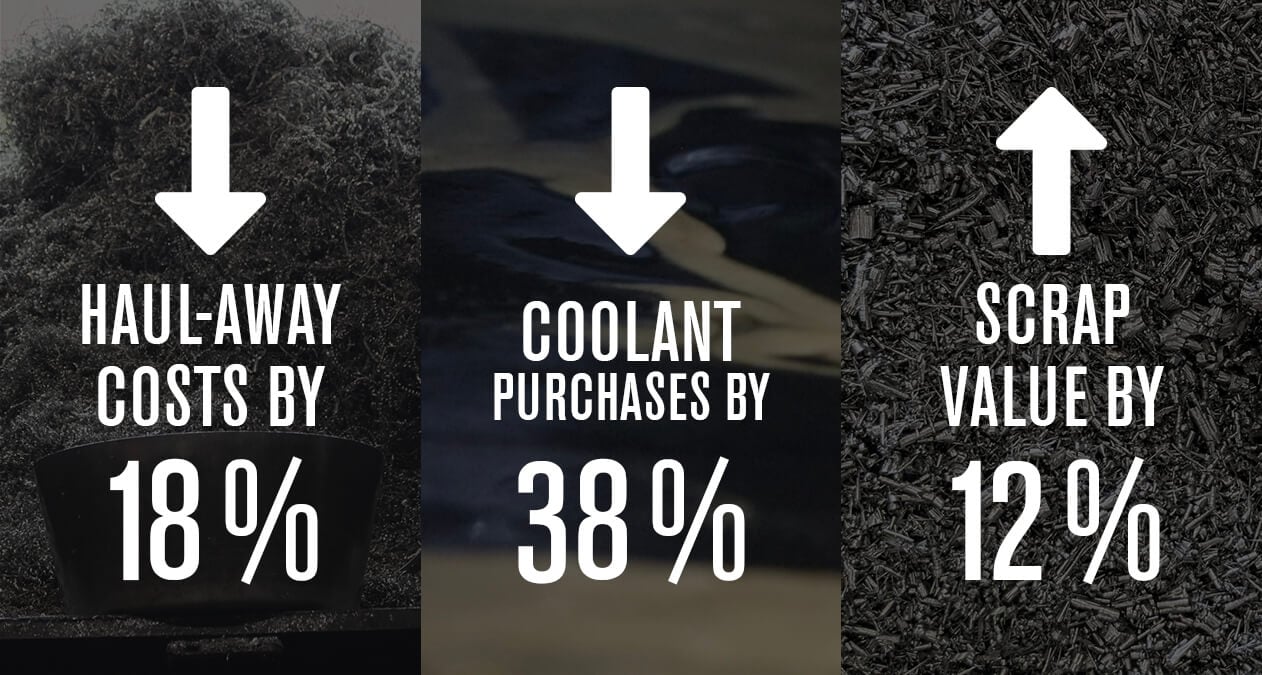
PRAB excels in systems designed to convert industrial waste into valuable resources. Their key areas of strength include:

PRAB isn’t merely an equipment vendor—it’s a strategic partner committed to circular manufacturing:
Circularity isn’t optional, it’s essential. When capturing value from waste, boosting sustainability, and ensuring compliance, PRAB stands out as the proven leader. Explore PRAB solutions to transition your operations into a circular future.


 (800) 968-7722
 (800) 493-3462