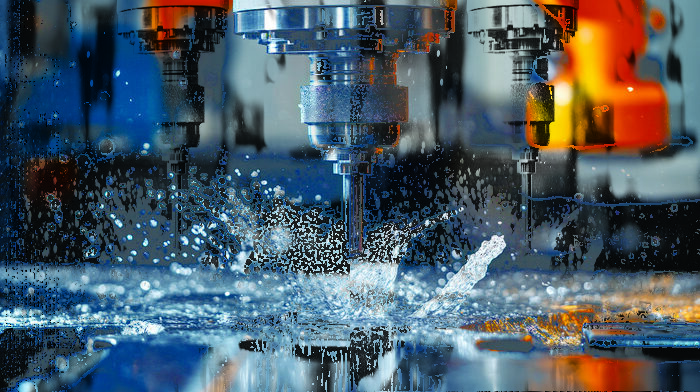
 Coolant and cutting fluids are essential for precision machining, but they come with recurring costs. As these fluids degrade, manufacturers face increased tool wear, quality issues, disposal fees, and the expense of frequent fluid top-offs. Implementing coolant recycling can significantly mitigate these costs.
Fortunately, modern integrated separation and filtration systems can reverse those losses — keeping coolant stable, clean, and reusable for years.
Fluid & Coolant Management Integration is becoming more vital to improving your bottom line.
👉 Learn more about PRAB Fluid Filtration Systems.
The key is stopping this degradation cycle before it starts — through closed-loop filtration and recycling.
PRAB’s modular systems are engineered to combine particulate removal, tramp-oil separation, and bacteria control for consistent, long-term performance.
Coolant Recycling Technologies That Deliver:
See how PRAB Fluid Filtration Systems work.
Cameron International — 75% New Coolant Reduction
At a high-volume machining facility in Malaysia, Cameron International installed a PRAB Guardian Coolant Recycling System.
✅ Results:

After installing a PRAB Guardian 400, Iowa Industrial Hydraulics reduced coolant waste by 90% and eliminated the need for frequent sump changes.
✅ Benefits: Reduced odors, cleaner work environment, improved tool life, and consistent fluid quality.
A leading aerospace producer paired PRAB’s Dualpak Briquetter with a Guardian system to recover coolant from metal chips.
✅ Results:
Ogura’s Guardian HG-800 reduced make-up coolant from three barrels per month to less than one and eliminated disposal entirely.
Read the story.
Across hundreds of installations, PRAB systems routinely deliver:
| Performance Area | Typical Improvement | Supporting Resource |
| Coolant Life Extension | 2–5× increase | Fluid Filtration Overview |
| New Coolant Purchases | 50–75% reduction | Guardian System |
| Coolant Disposal Costs | Up to 90% reduction | Iowa Case Study |
| Tool Life | Up to 25% improvement | PRAB Blog |
| Payback Period | 6–9 months typical | Cameron Case Study |
According to PRAB’s analysis, typical medium-sized machining plants can see:
Coolant recycling isn’t just about saving money — it directly supports:
Watch a PRAB Coolant Recycling System in action.
In a year where operational resilience and cost control define manufacturing success, PRAB’s coolant recycling and filtration systems transform waste into profit.
They extend sump life, reduce chemical spend, eliminate disposal headaches, and stabilize process performance — all while strengthening sustainability credentials.


 (800) 968-7722
 (800) 493-3462