 (800) 968-7722
 (800) 493-3462
Coolant Recycling FAQ
Metal chip processing reduces waste volume, reclaims fluids, and improves safety and compliance.
PRAB’s metal scrap processing equipment is designed to handle metal chips, turnings, and swarf from machining operations. These systems reduce scrap volume, recover valuable fluids, improve workplace safety, and lower disposal costs—all while supporting environmental compliance.
Information: How to Select the Right Metal Chip Processor
Key Benefits of PRAB Metal Chip Processing Systems:
-
Reduces chip volume by up to 90%
-
Recovers up to 98% of cutting fluids
-
Lowers hauling and disposal costs
-
Improves shop cleanliness and worker safety
-
Enhances compliance with ISO 14001 and EPA guidelines
Q. Can PRAB systems manage swarf and sludge?
A: Yes. PRAB’s centrifuges and wringers effectively separate coolant and fluids from fine particles and coolant-soaked swarf and metal scrap.
PRAB systems are trusted by leaders in automotive, aerospace, energy, electronics, defense, heavy equipment, and medical device sectors.
We serve metalworking manufacturers using CNC machining, die casting, stamping, forging, finishing, and fabrication operations that manage metal scrap, cutting fluids, process water, and Industrial wastewater treatment.
The most effective coolant filtration methods include magnetic separation, paper bed filtration, and membrane-based systems. Each approach targets different types of contaminants to extend coolant life, improve surface finish, and reduce tool wear.
- Magnetic separators capture ferrous solids and fines.
- Paper bed filters are effective for removing larger chips and non-ferrous solids.
- Membrane systems (such as ultrafiltration) remove fine particulates and emulsified oils.
The right choice depends on the coolant type, machining process, and contaminant load. In many cases, facilities combine multiple technologies for optimal performance and compliance with discharge regulations.
PRAB Fluid Filtration and Coolant Recycling Systems are engineered for CNC machining, metal cutting, and grinding operations. With solutions that include magnetic separators, paper bed filters, vacuum filters, and ultrafiltration units, PRAB helps manufacturers lower coolant costs, reduce downtime, and meet environmental standards.
White Paper: Extending Tool Life Through Effective Fluid Management
Case Study: Aerospace Components Manufacturer Turns Waste into Revenue
- Benefits:
- Magnetic separators remove ferrous particles before fine filtration
- Paper bed filters handle solids and fines at lower flow rates
- Vacuum filtration is ideal for grinding and honing operations
- Centrifuges separate solids using high-speed rotation
- Membrane filtration removes sub-micron particles and tramp oils
Q: Which method is best for high-precision machining?
A: Membrane and vacuum filtration systems are ideal for removing sub-micron particulates in precision processes.
Q: How often should filters be replaced?
A: This depends on the system design and contaminant load. Some systems include auto-monitoring to optimize replacement intervals.
A metal scrap conveyor is a system used in manufacturing to transport metal chips, turnings, swarf, and other waste for recycling or disposal. Common types include steel belt, oscillating, drag chain, magnetic, pneumatic, and specialty conveyors—each chosen based on scrap size, abrasiveness, coolant content, or temperature. These systems improve efficiency, safety, and the value of metal scrap while preventing downtime.
Metal Scrap Conveyor Types and Applications:
- Steel Belt Conveyors: Heavy-duty, designed for wet or abrasive scrap such as stamping, machining, and die-casting operations.
- Oscillating Conveyors: Reliable for hot, wet turnings with minimal maintenance, proven to achieve over 98% uptime in stamping operations.
- Drag Conveyors: Built for highly abrasive materials like cast iron, with enclosed designs to control dust and contaminants.
- Magnetic Conveyors: Move ferrous chips and fines without carryover, ideal for CNC machining and grinding.
- Pneumatic Conveyors: Flexible for plant layouts where scrap must be routed over long distances or overhead.
- Specialty Conveyors: Includes pivot belt conveyors, quench conveyors, roller bucket conveyors, casting coolers, and load-out systems designed for specific applications such as foundry scrap, hot-material quenching, and scrap load-out.
Benefits of Metal Scrap Conveyors
- Efficient Fetal Scrap Handling: Automates chip and scrap removal, improving plant efficiency.
- Material Separation: Separates cutting fluids and integrates with shredders and fluid filtration systems.
- Customization: Configurable for layout, volume, inclines, and curves.
- Reduced Downtime: Prevents scrap buildup and production interruptions.
- Improved Safety: Limits manual metal scrap handling and injury risk.
- Profitability: Maximizes scrap value by improving processing and load-out efficiency.
PRAB metal scrap conveyors are engineered for 30+ years of continuous operation—with documented installations exceeding 40 years. Systems handle up to 2,000 lb/hr of scrap and integrate seamlessly with metal chip processing and coolant recycling systems. Known for their low maintenance and durability, PRAB metal handling systems are trusted by automotive, aerospace, die-casting, CNC, and heavy manufacturing plants worldwide.
Resources:
Yes. PRAB’s equipment is designed, assembled, and serviced in Kalamazoo, Michigan, using primarily U.S.-sourced components, with select parts sourced globally to meet performance and supply chain reliability standards. For international clients, PRAB’s EU headquarters in Poland delivers the same legendary durability, engineering expertise, and responsive local service.
- U.S. steel and automation platforms are standard across major product lines.
- Select filtration and monitoring components are globally sourced for performance and availability, but design, testing, and service remain USA-based.
- PRAB’s 70+ years of U.S. manufacturing ensure equipment that lasts 20–30+ years in demanding production environments.
👉 Learn more: Connect with our technical sales team
PRAB is a U.S. manufacturer with a global footprint.
PRAB’s equipment is designed, assembled, and serviced in Kalamazoo, Michigan, using primarily U.S.-sourced components. Select parts are sourced globally to meet performance and supply chain reliability standards. For international clients, PRAB’s EU headquarters in Poland delivers the same legendary durability, engineering expertise, and responsive local service.
- Systems are shipped across the U.S., Canada, South America, Europe, and international markets.
- Global clients benefit from regional representatives, engineering partnerships, and PRAB EU (Poland) support.
- Customers worldwide rely on PRAB for metal scrap handling, coolant recycling, Fluid Filtration, process water recycling, and industrial wastewater treatment solutions.
👉 Explore: Case Studies
Yes. PRAB provides equipment to integrate into your existing systems as well as turnkey metal chip processing and coolant recycling systems that deliver unmatched efficiency and cost savings:
- Briquetters, wringers/centrifuges, crushers, shredders, and conveyors designed to work together in closed-loop recovery.
- Up to 98% cutting fluid reclamation, reducing coolant purchases by 70%+.
- Densification that increases scrap value by up to 25%.
- ROI achieved in 12–18 months on most installations.
👉 Explore: Chip Processing Equipment
PRAB coolant recycling and fluid filtration systems extend fluid life while lowering costs and improving safety:
- Magnetic separators, paper bed filters, candle filters, and Guardian® systems remove tramp oils, solids, and fines.
- Reduce disposal costs by up to 80–90%.
- Improve worker safety, machine uptime, and regulatory compliance.
- Scalable, modular filtration solutions tailored to each facility.
👉 Learn more: Fluid Filtration Systems
PRAB offers industrial wastewater treatment systems that minimize operating costs and meet strict discharge regulations:
- Ultrafiltration (UF) for suspended solids, oils, and emulsions.
- Reverse Osmosis (RO) for high-purity water reuse.
- Vacuum evaporation/distillation for waste volume reduction.
- Automated pH adjustment systems for compliance with local limits.
- Oil-water separators, UV disinfection, and ozone polishing for complete treatment.
👉 Explore: Water & Wastewater Treatment
Briquetting Your Mixed Metal Alloys
Not always. It depends on your buyer and melt practice. PRAB engineers will evaluate mixed-metal streams during the lab test and advise on the best approach for managing your metal alloys.
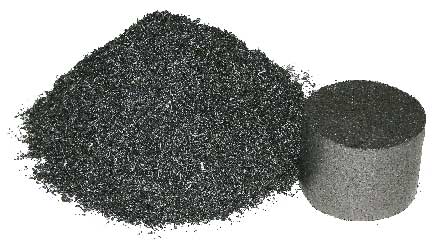 9 models for any size shop or alloy
| Model # | MX20-15M | MX30-15M | MX30-20M | MX35-30M | MX35-40M | MX35-60M | MX50-60M | MX50-100M | MX70-250M |
| Briquette Diameter | 2″ | 3″ | 3″ | 3.5″ | 3.5″ | 3.5″ | 5″ | 5″ | 7″ |
The PRAB DualPak Briquetters are ideal for steel, cast iron, stainless, aluminum, copper, brass, titanium, and other dense alloys. To learn more about our Metal Chip Processing and the best solutions to your requirements, please see our system ecosystem: Metal Chip Processing.
We also recommend testing your materials so that the PRAB team can provide you with additional information.
Next Step: Request a Materials test
It’s best to select a Briquetter model based on the profile of your metal alloys and your manufacturing process.
PRAB engineers will size the system using your mass flow, chip geometry, metal alloy, inlet moisture, and target puck size—then confirm with lab data.