With water costs rising virtually everywhere and several U.S. regions facing water shortages, water management has become a critical process for metalworking manufacturers.
As of Q2 2026, a large portion of the U.S. is experiencing varying levels of drought, including production-heavy regions such as Arizona, Texas, California and Nevada, which have been upgraded to emergency status. Many other cities across the Southwest have imposed water-use cuts that have slowed or halted production.
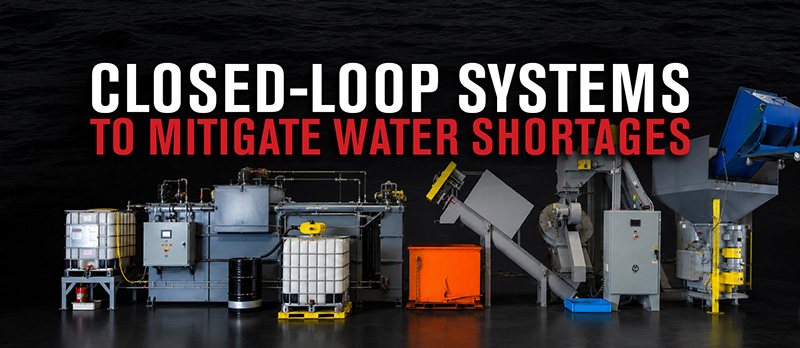
Managing risk on the margins might seem like the logical approach, but eliminating fluid discharge entirely through closed-loop water management systems can help mitigate rising water costs and the risks of increasing scarcity, so production can not only stay on track but also improve.
The Cost-Cutting Effects of Closed-Loop Coolant Management
Closed-loop chip and coolant management is essentially as it sounds – retaining, processing and reusing cutting fluids and metal scrap within a single system instead of hauling them away as waste.
The key benefit of such a system is that it turns two major cost centers (scrap handling and fluid disposal) into verifiable profit drivers.
The financial case is practical, too.
Independent case studies document that a properly designed closed-loop system can reclaim up to 75% of cutting fluids and reduce waste disposal volume by up to 90%. At one aerospace components facility, the combined system increased the value of metal scrap by 25% and recovered more than 90% of machining fluids, generating over $120,000 in annual coolant savings.
For CFOs evaluating CapEx equipment in today’s tariff-pressured, inflation-sensitive environment, those numbers indicate an ROI that actualizes within 12 to 24 months.
On the production floor, this data indicates how plant managers can increase uptime, safety and compliance at the same time, while optimizing and extending the service life of a critical resource like coolant.
Evaluating a Closed-Loop System to Recover Costs and Optimize Your Process
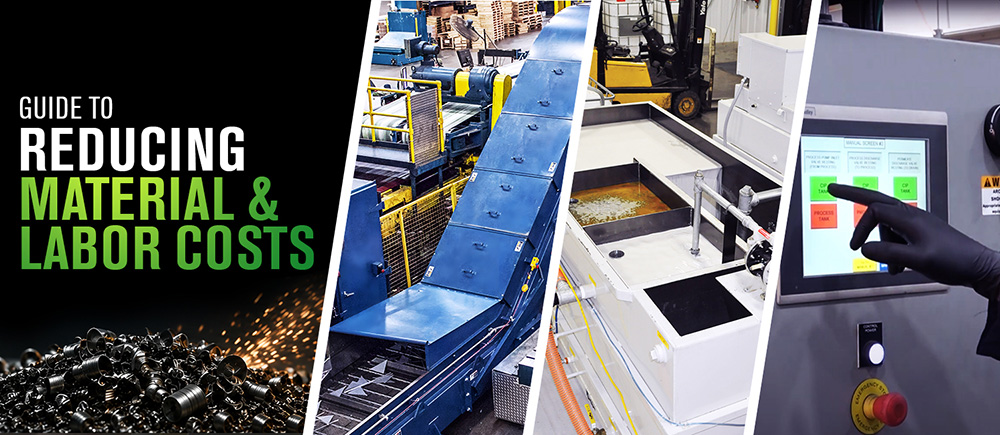
The best way to envision how a closed-loop system can help reduce costs and conserve water resources is to think of it as four different functions that work together to achieve those goals, rather than four separate CapEx equipment investments.
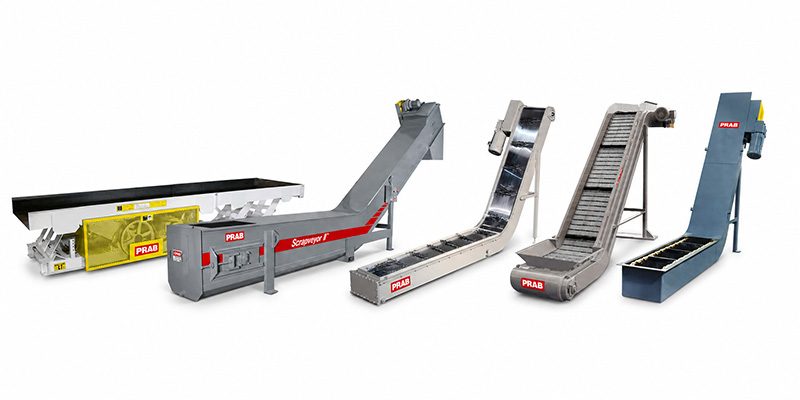
Metal Scrap Conveyors: The Facility’s Muscle
Effective chip and fluid recovery must begin the instant the metal is cut. If your conveyor leaks coolant onto the shop floor, frequently jams with bushy turnings or requires constant manual maintenance to keep running, it will affect every downstream process.
Start with a conveyor purpose-built to accommodate your facility layout and material-handling requirements for optimal automated performance. Don’t think of your conveyor as a commodity. It is the foundation on which the rest of your scrap and fluid economics are built.
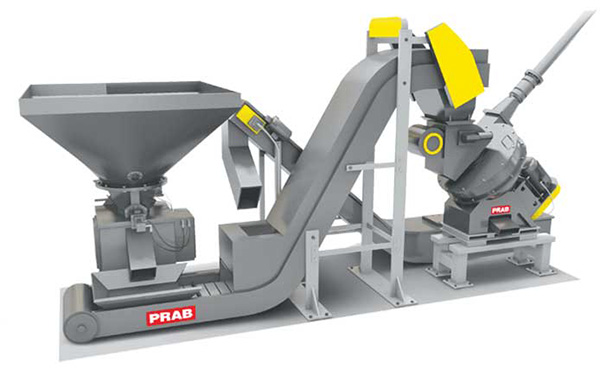
Metal Chip Processing: Finding Value in Scrap
All those bushy aluminum shavings, wet cast iron fines and stringy turnings are bulky, difficult and dangerous to handle and take up valuable floor space to store them. Additionally, scrap dealers often discount them because they’re saturated with coolant.
But there is plenty of value to be had.
Introducing processing equipment such as crushers, shredders, wringers and briquetters reduces the scrap volume and removes valuable (and reusable) cutting fluid. This immediately raises the scrap value in a low-risk process that doesn’t leave value on the table.
Closed-Loop Chip and Coolant Recycling: Flipping Expenses to Assets
The associated costs of cutting fluid are constantly overlooked and a line item that is easily misunderstood. Most plants consider it a normal consumable. But when you factor in disposal costs, new fluid purchases, compliance violations or downtime due to contaminated coolant, the overall costs are higher than the operation might initially expect.
A closed-loop coolant management system is the most important step to minimizing these costs, especially from a zero-liquid-discharge (ZLD) perspective.
Implementing strategic fluid recirculation makes your plant far more likely to achieve complete ZLD compliance without installing a full treatment system from the ground up. This is especially important as environmental regulations become stricter.
Industrial Wastewater Treatment: Maintaining Compliance
It is important to remember that not all process water can be recycled back into production.
Floor scrubber waste, plating rinse water and final machining wastewater all require treatment before discharge. This is a liability for manufacturers navigating increasingly stern EPA pretreatment standards.
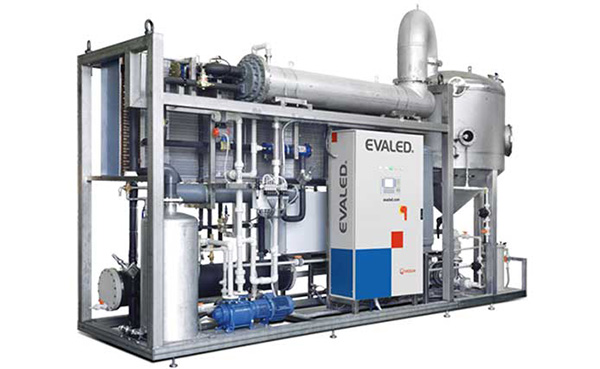
This is where industrial wastewater treatment systems help achieve ZLD and fast ROI.
Ultrafiltration, reverse osmosis and vacuum evaporation systems deliver the compliance infrastructure that protects upstream investments, completing the closed-loop system and redirecting disposal costs and new fluid expenses into revenue streams.
Don’t Wait, Because Water Scarcity Won’t
Closed-loop chip and coolant management systems are not new; they are proven and financially straightforward. What is new, however, is the recognition by operations, ESG-conscious procurement and CFOs that the plants that treat scrap and fluid recovery as essential infrastructure rather than overhead are consistently more profitable and compliant.
Manufacturers already operating closed-loop systems are achieving substantially lower disposal costs, documented compliance for every discharge event and operational resilience to absorb cuts in water allocation without halting production.
The facilities positioned to absorb future increases in water costs and scarcity are planning to build closed-loop water management infrastructure now, before resources and margins shrink further.
To talk with industrial water management experts who can help you develop a closed-loop system to reduce expenses and reuse valuable fluids in your process, visit prab.com.